Blog
The Evolution of Men’s Fashion: From Classic to Contemporary

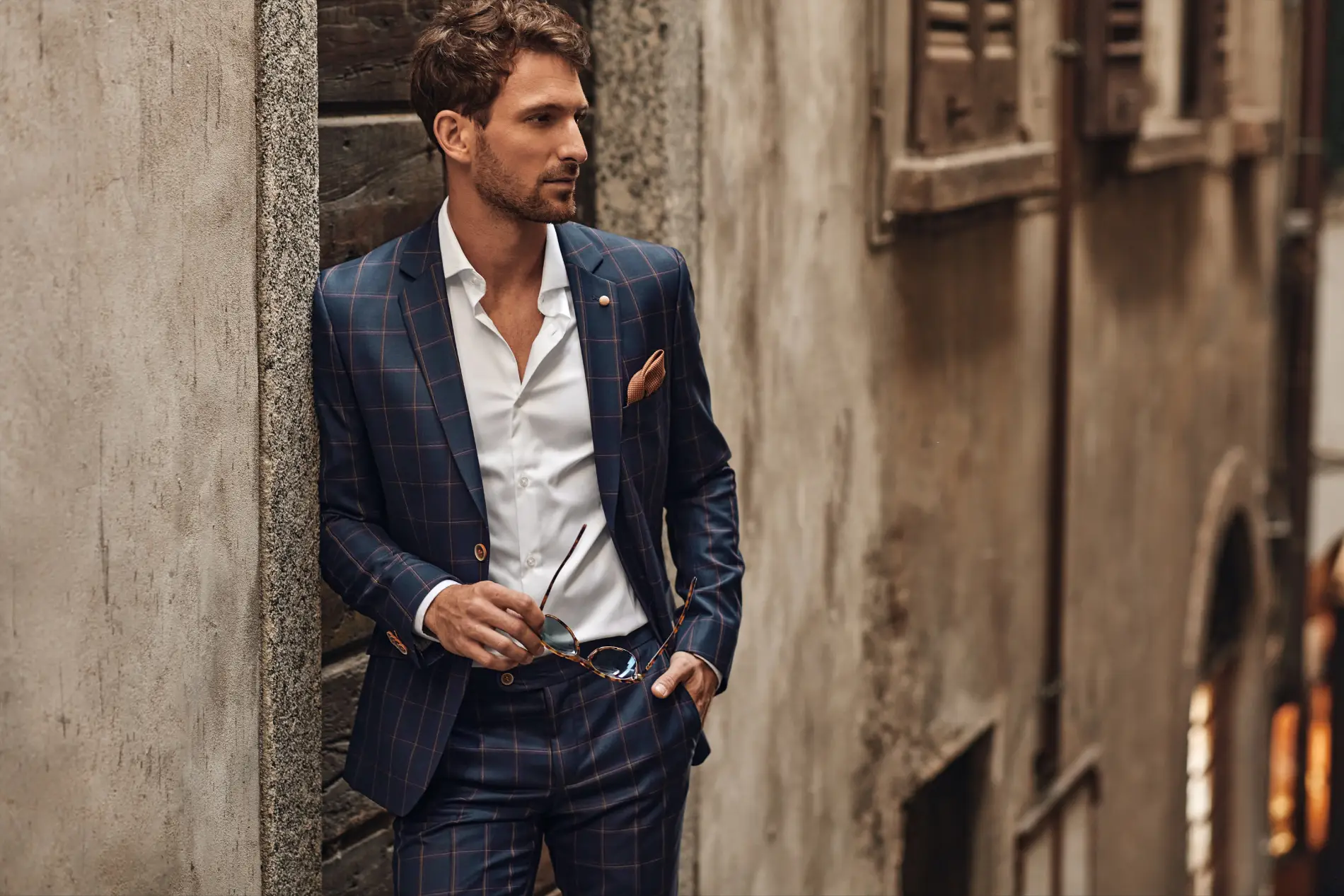
Men’s fashion has undergone significant transformations over the decades, blending classic styles with contemporary trends. This post explores the journey of men’s fashion, highlighting key eras and the resurgence of vintage styles in modern wardrobes.
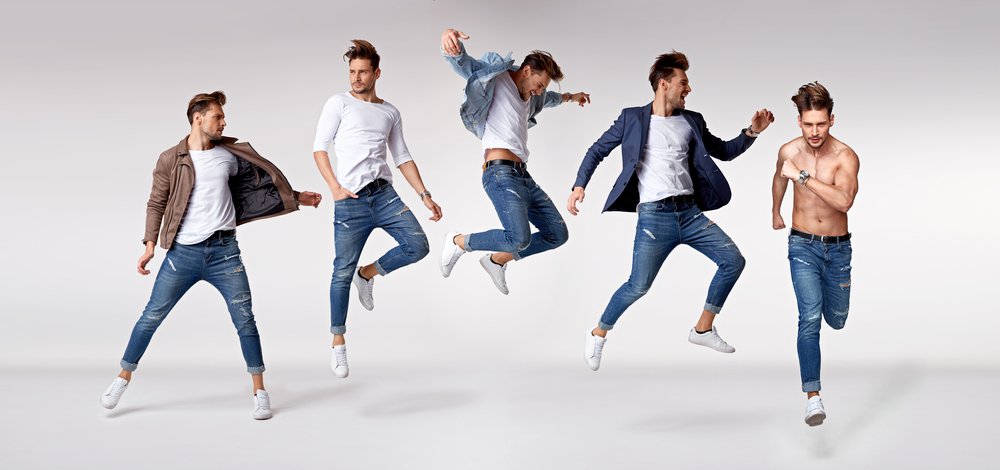
Introduction
Men’s fashion is a dynamic tapestry woven from threads of tradition and innovation. From the tailored suits of the early 20th century to the casual athleisure of today, men’s style has continually evolved, reflecting societal shifts and cultural influences.
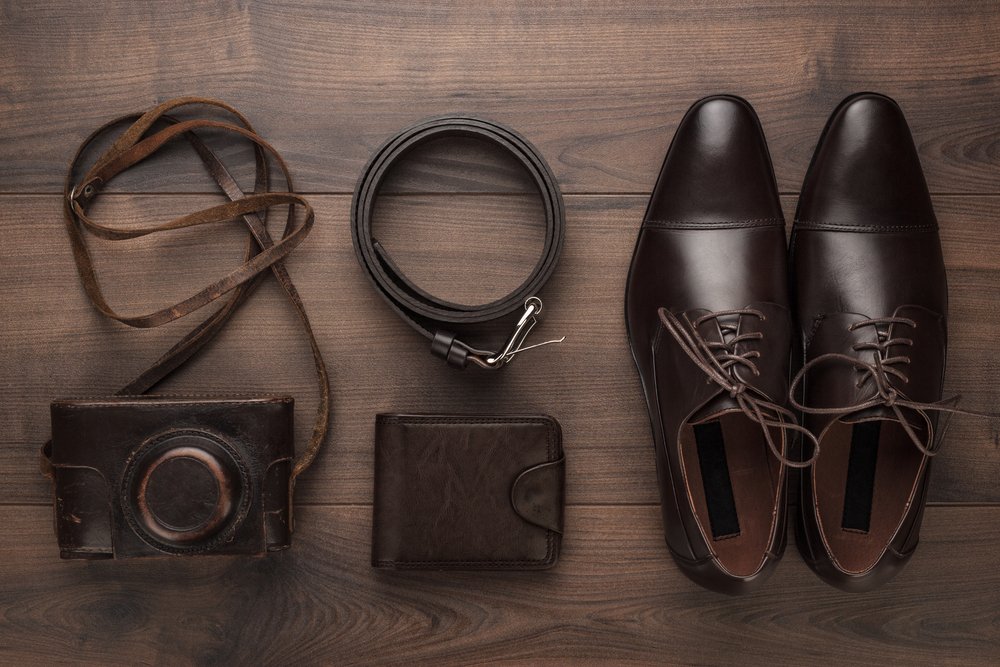
The Early 1900s: Foundation of Classic Menswear
In the early 1900s, men’s fashion was characterized by formal attire. Three-piece suits, often in dark colors, were the norm. Accessories like pocket watches and hats completed the look, emphasizing a gentlemanly appearance.
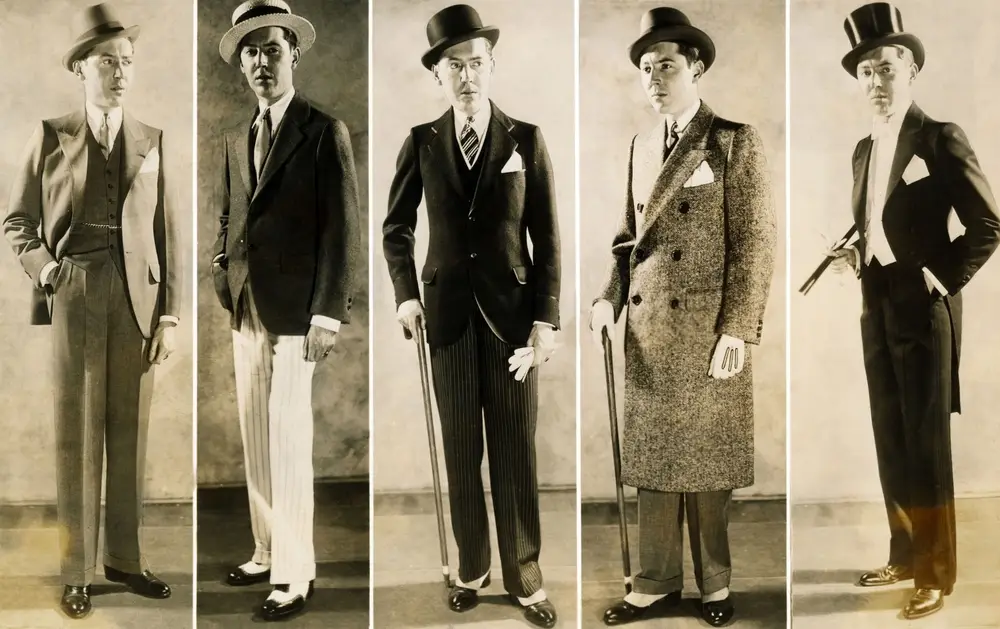
The Roaring Twenties: A Shift Towards Relaxation
The 1920s introduced looser silhouettes and lighter fabrics. The jazz age encouraged more relaxed styles, with men embracing baggy trousers and softer collars. This era marked the beginning of a departure from rigid formality.
Mid-20th Century: The Rise of Casual Wear
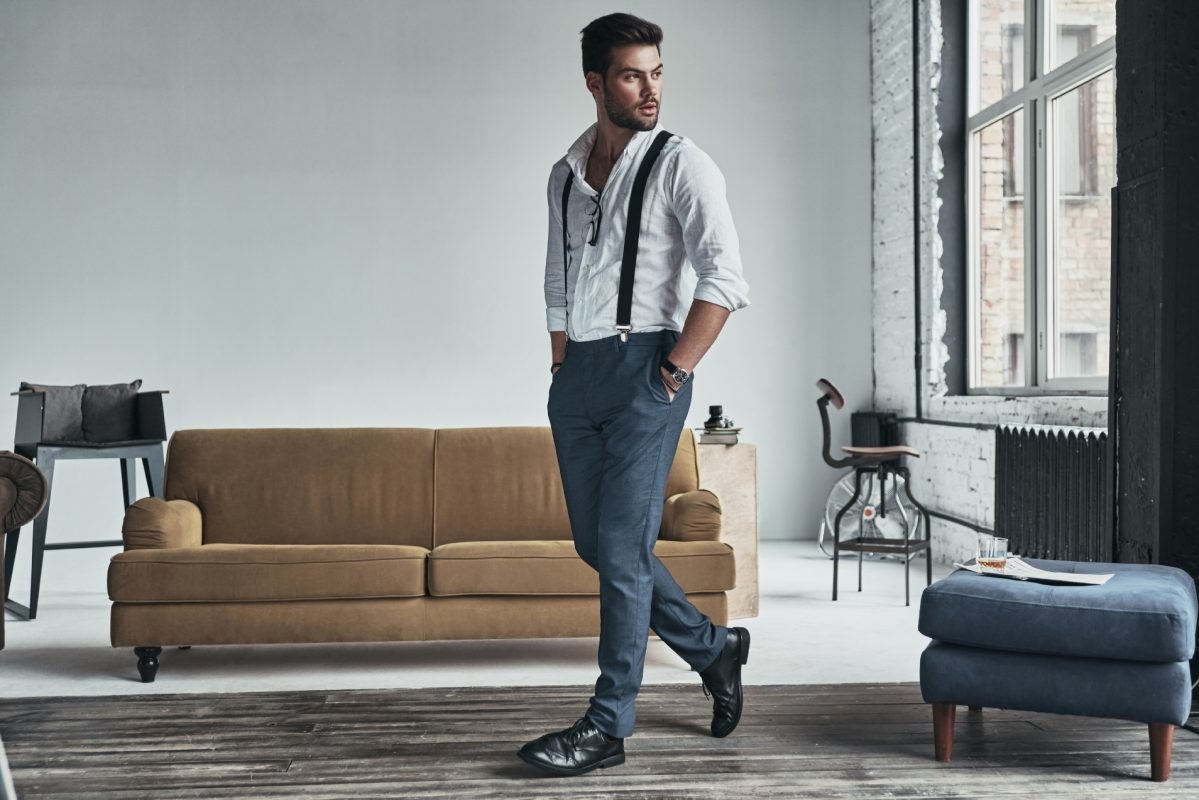
Post-World War II, there was a significant shift towards casual clothing. The 1950s saw the popularity of jeans and T-shirts, influenced by Hollywood icons like James Dean. This period also witnessed the birth of youth-centric fashion, with styles reflecting rebellion and individuality.
The 1970s and 1980s: Experimentation and Extravagance
The 1970s brought flamboyant styles, with bell-bottoms, vibrant colors, and bold patterns. The 1980s continued this trend with power suits, shoulder pads, and a focus on ostentatious fashion. These decades were marked by a willingness to experiment and break traditional fashion norms.
The 1990s: Grunge and Minimalism
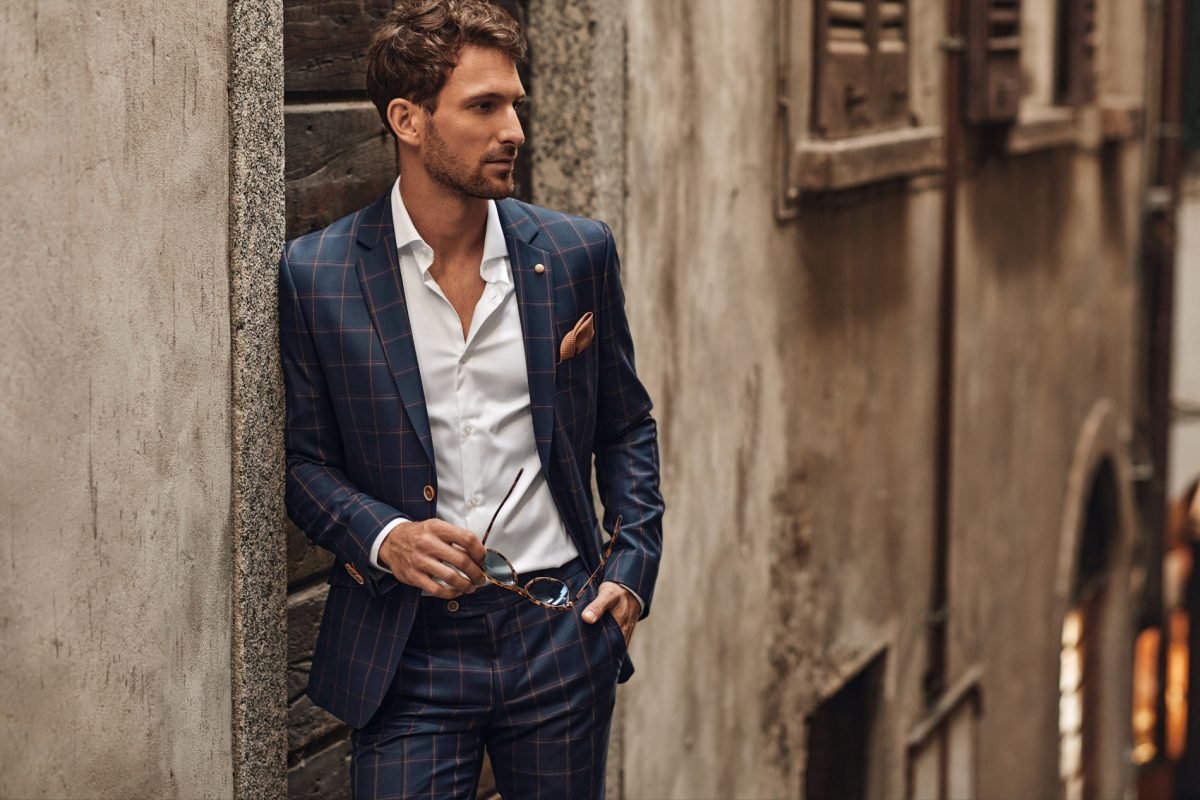
In contrast to the previous decades, the 1990s embraced grunge fashion, characterized by flannel shirts, ripped jeans, and a laid-back aesthetic. Simultaneously, minimalism gained traction, with simple designs and neutral colors becoming popular.

The 21st Century: Blending the Old with the New
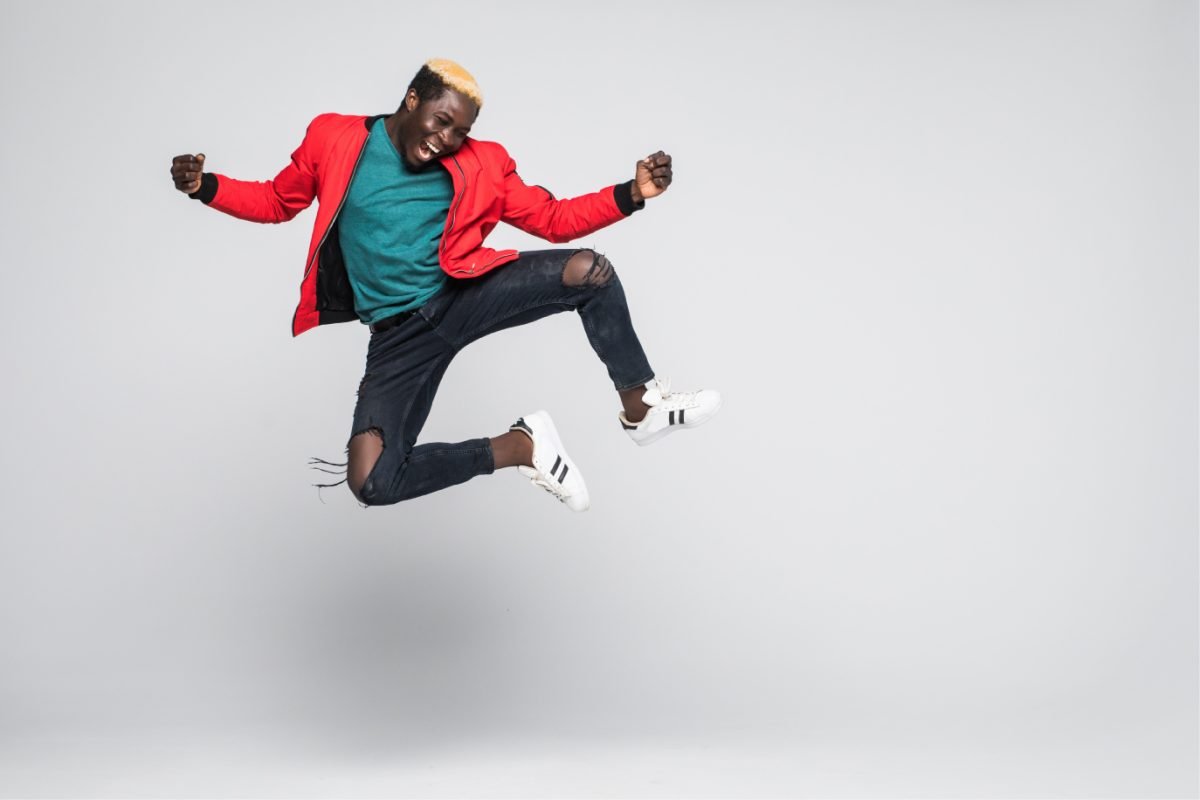
The early 2000s saw a mix of styles, from hip-hop influences to the resurgence of vintage clothing. Today, men’s fashion is a blend of classic and contemporary, with a focus on personal expression. Tailored suits coexist with streetwear, and sustainability has become a significant consideration in fashion choices.
Conclusion
Men’s fashion continues to evolve, drawing inspiration from the past while embracing modern trends. This fusion of classic and contemporary styles allows for a diverse and inclusive fashion landscape, where individuality is celebrated.